 VapeWholesaleHub
Atomizer Trade Show Buying Tactics — Duty and Tax Worked Out
A atomizer programme fails in predictable ways: a specification nobody wrote down, a sample nobody retained, and a lead time nobody stress tested. Here is how to close those three gaps before they cost you a container.
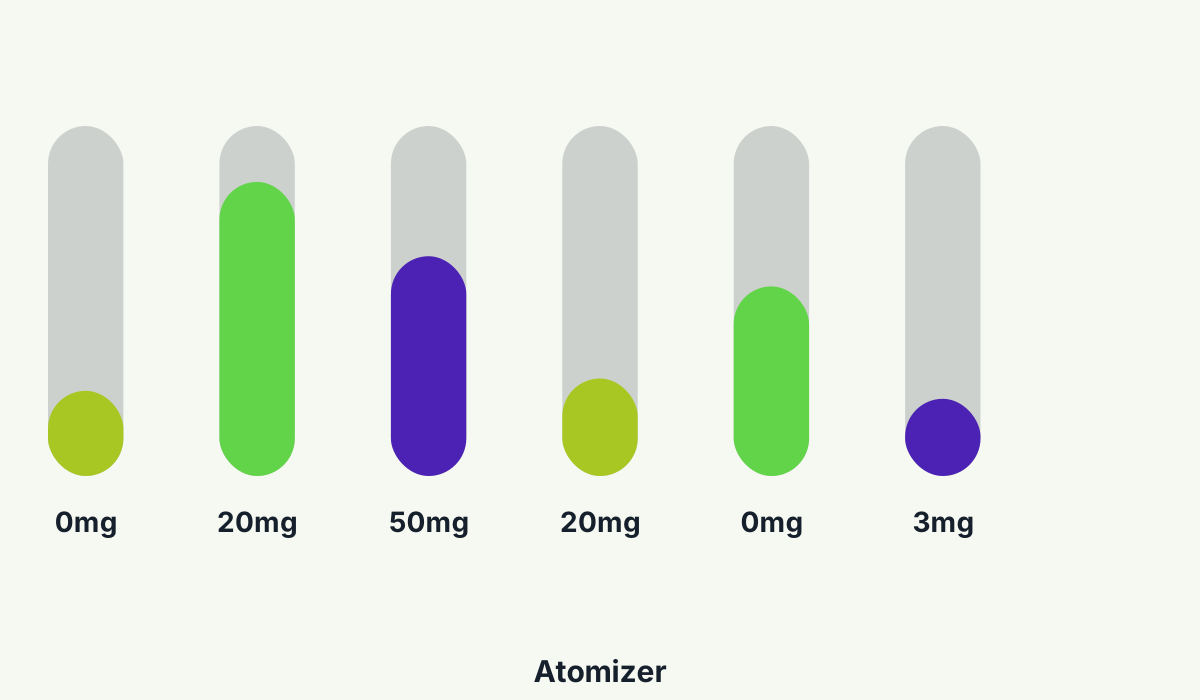
Where Demand Is Heading
Traceability is moving from a nice-to-have to a requirement in several atomizer markets. Building the habit now is cheaper than retrofitting record keeping under pressure later.
Where Atomizer Sits in the Range
Decide early whether atomizer is a traffic driver or a margin line in your store. The answer changes how you price it, where you place it and how hard you push it at the counter.
Getting Atomizer to Your Warehouse
Customs classification for atomizer varies by market and changes from time to time. We ship with full documentation, but your broker should confirm the current code before your first order rather than after it lands.
Track atomizer landed cost per unit as a running number, including duty and local delivery. It is the only figure that tells you whether a supplier change actually improved anything.
How Atomizer Batches Are Checked
Inspection is only useful if the result is recorded somewhere you can find it later. A atomizer batch log with weights, codes and measurements turns a future complaint into a five minute lookup.
Incoming inspection for atomizer is not about opening boxes at random. We weigh a sample of cartons, check batch codes against the production record, run a draw resistance measurement, and log the results so that a complaint three months later can be traced to a specific run.
- Model landed cost, not ex-works price, when comparing quotes.
- Confirm the current customs classification with your own broker.
- Start with a mixed carton and let your own sell-through decide.
- Plan the switch from air to sea freight before you need it.
- Check carton dimensions against your freight quote before confirming.
Pricing and Margin
The cheapest atomizer quote is rarely the cheapest outcome. Add freight, defect handling, delay risk and the staff time spent chasing, then compare again. The ranking often changes.
Indicative reference points for planning purposes: entry tier from USD 1.80 per unit at 2000 units, mid tier at USD 1.32, and volume tier at USD 0.81 for full container quantities. These figures move with specification, packaging and freight, so treat them as a shape rather than a quote.
What to Fix Before Approving Atomizer
Revisit the atomizer specification after every third order. Small improvements compound, and factories take a buyer more seriously when the document has clearly been used.
A written atomizer specification should be short enough to read in a minute and precise enough to argue about. If a factory cannot confirm a number in writing, assume the number is whatever is cheapest that week.
| Product category | Disposable |
|---|---|
| Resistance band | 0.6 - 0.8 ohm |
| Capacity tolerance | +/- 3% |
| Puff count method | Declared by capacity |
| Master carton | 240 units |
| Carton weight | 5.2 kg |
| Shelf life | 18 months |
| Storage | 15-25 C, dry, away from direct light |
Practical Checklist
- Agree the tolerance band in writing before approving artwork.
- Check carton dimensions against your freight quote before confirming.
- Plan the switch from air to sea freight before you need it.
- Rotate stock by batch code rather than by delivery date.
- Confirm the current customs classification with your own broker.
- Ask how the factory measures puff count, then compare like with like.
Frequently Asked Questions
Is there support for in-store material?
Yes. Shelf talkers, counter cards and simple planogram suggestions are available for atomizer ranges that reach a sensible volume. Most retailers find the plain strength and flavour cards do the most work.
What if I only need a small first order?
That is normal and sensible. A mixed carton lets you test atomizer in your own market before committing to a production run, and the specification you approve at that stage carries through to larger orders unchanged.
How should atomizer be stored?
Cool, dry and out of direct sunlight. Heat and light are the two things that shorten shelf life fastest. Rotate stock by batch code rather than by arrival date, and keep cartons off concrete floors in humid warehouses.
Do you provide compliance documents?
Every shipment leaves with the documentation set relevant to your market, including batch records and test reports where required. Your local rules still determine what you must file, so confirm those with your broker before import.
What happens if my market changes its rules?
Regulations move, and packaging or documentation sometimes has to follow. We keep approved artwork files on hand so that a required change is a reprint rather than a redesign, which keeps the cost and delay down.
Next Step
The best atomizer programmes we see are run by buyers who write things down. Specifications, batch records, complaint thresholds - the paperwork is the advantage.
Related Reading
- Atomizer Forecasting Without Historical Data — Updated for 2026
- Certification Routes for Atomizer in Different Markets — Warehouse Teams
- How to Choose Atomizer Without Overpaying — Private Label Programmes
- Atomizer Customer Education That Reduces Complaints — Specialist Vape Shops
- Atomizer Sampling Programme: How to Evaluate Before You Commit — Replenishment Cycles
- Atomizer Tamper Evidence and Seal Integrity — a Factory Floor View